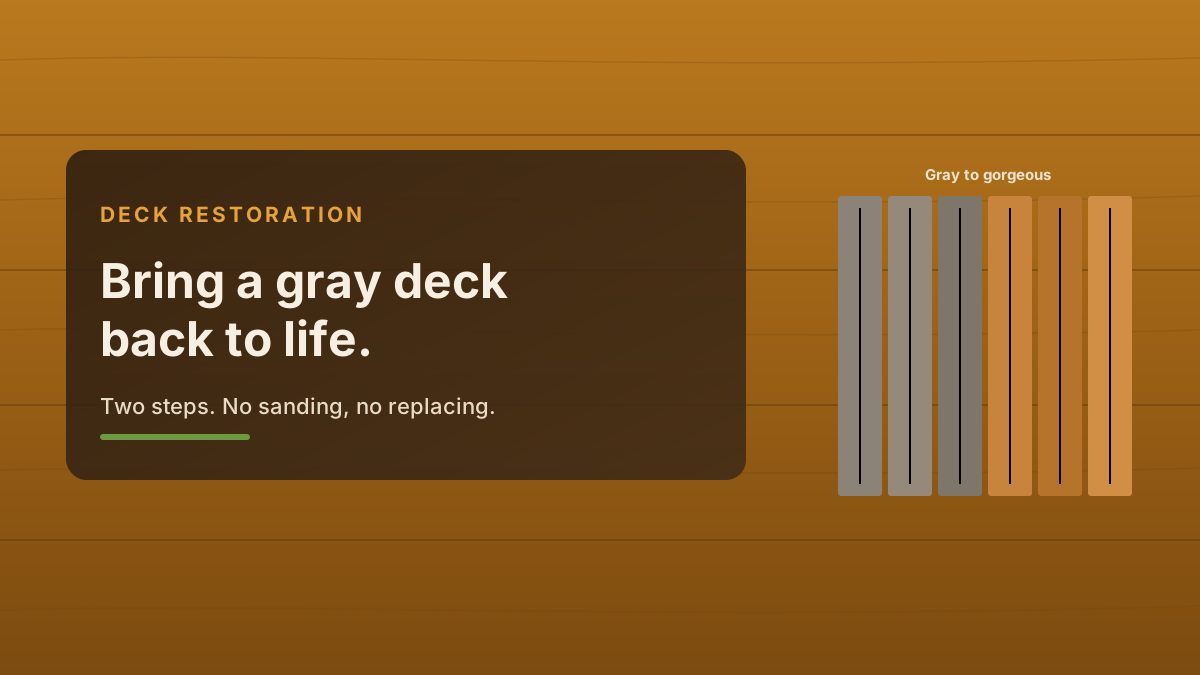

If your deck has turned gray, feels rough underfoot, and looks tired no matter how often you sweep it, you are not alone. Almost every exterior deck gets there eventually. The good news is that gray wood is usually not rotten wood. It is weathered on the surface, and the warm wood you remember is still right underneath.
Why wood turns gray
Sun and moisture are the culprits. Ultraviolet light breaks down lignin, the natural glue that gives wood its color and structure, while rain and morning dew lift the surface fibers. Add mildew, algae, and pollen, and the top layer goes silvery gray and fuzzy. It is only skin deep, but it makes even a solid deck look ready for the landfill.
Restore, do not replace
Tearing out a deck and rebuilding it runs into the thousands of dollars fast. Restoration works with the wood you already have. For most weathered decks, a two-step clean and brighten is all it takes to reset the surface and bring the grain back.
That is exactly how the Wood WOW system works:
- Step 1 Restore mixes with water, then lifts out dirt, mildew, algae, and the dull gray fibers that weathering leaves behind. The tired top layer washes away.
- Step 2 Brighten neutralizes the cleaner and resets the wood’s natural pH and color, leaving a bright, even surface.
The result is wood that looks alive again and is ready to seal or stain.
A simple weekend plan
- Pick a dry, mild day. Work in the shade when you can so the product does not dry too fast.
- Prep the area. Sweep the deck and wet down nearby plants before you start.
- Apply Step 1 Restore. Mix with water, spread it on, let it work, agitate with a brush, then rinse. The gray lifts away with the grime.
- Apply Step 2 Brighten. Mix, apply, and rinse to neutralize and even out the tone.
- Let it dry fully. You will already see the transformation. This is the moment people call the wow.
- Seal or stain, if you want lasting protection. Restored and brightened wood is the ideal surface to take a finish.
What it works on
The same two-step process works on decks, fences, railings, siding, pergolas, and outdoor furniture, across cedar, pressure-treated pine, fir, redwood, and exotic hardwoods. It even cleans weathered composite decking. One thing to know: it is made for surfaces that live above the water, not for docks or anything that sits in or under water.
When to call a pro
If your deck has soft, spongy boards or widespread rot, that is structural, and no cleaner fixes it. Restoration is for wood that is weathered, not failing. If the boards are sound and the problem is color and grime, you are a great candidate to restore.
A gray deck is rarely a dead deck. Most of the time it is just waiting for the right two steps.